Strong winds, heavy rain, and flying debris can damage a garage door even when the problem is not easy to see. After a Gulfport storm, check the door before using it as normal. Bent tracks, loose hardware, damaged panels, and wet electrical parts can make the system unsafe. If you find a problem, professional garage door repair in Gulfport can prevent more damage and help restore safe operation.
Wait Until the Weather Is Safe
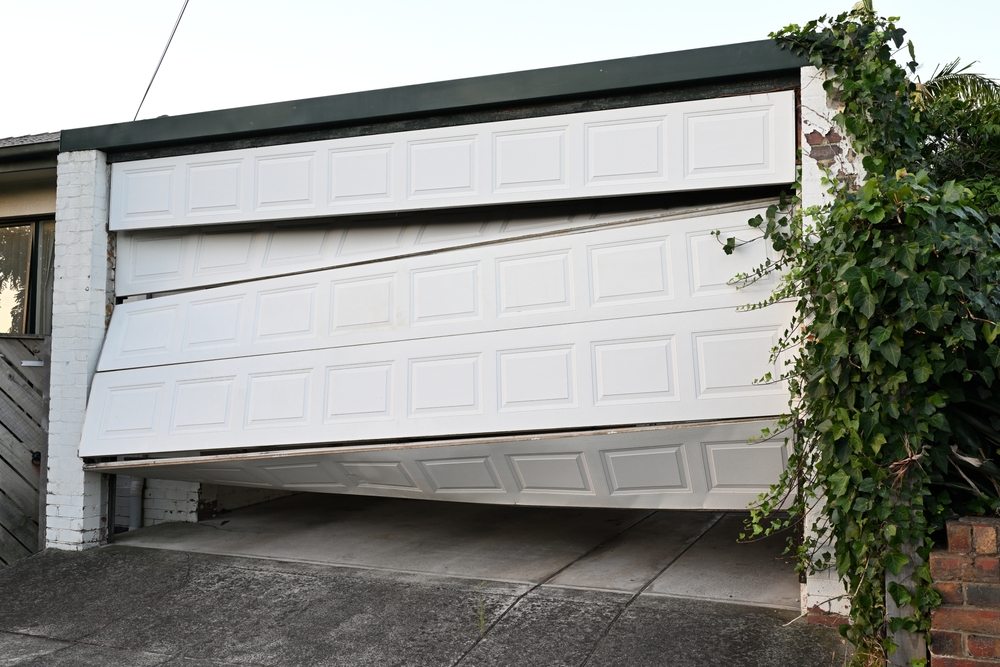
Do not inspect your garage door while strong winds, lightning, or flooding are still present. Wait until the storm has passed and local officials say it is safe to go outside. Stay away from standing water near electrical wires or the garage door opener. If the door looks loose, bent, or partly out of its tracks, do not stand under it. Keep children and pets away from the area until the system has been checked.
Look at the Door From Outside
Start with a visual check while the door remains closed. Look for dents, cracks, bent sections, broken windows, and loose weather seals. Pay close attention to the center of the door, since wind pressure can push large panels inward. Check the edges to see if the door still sits evenly inside the opening.
Small dents may only affect the appearance, but deep bends can weaken the door. Gaps around the sides or top may mean the panels or tracks have moved. If your hurricane rated garage door in Gulfport has visible storm damage, it should be inspected before the next severe weather event. Damage to one part may affect the strength of the full system.
Check the Tracks and Rollers
Look at the garage door tracks on both sides of the opening. They should be straight, even, and firmly attached to the wall. Storm pressure can bend the tracks or loosen the brackets holding them in place. The rollers should sit fully inside the tracks.
Do not try to straighten a track or push a roller back into place. A heavy door can move without warning when its support system is damaged. Call for garage door repair in Gulfport if you see bent metal, loose brackets, missing fasteners, or rollers outside the tracks.
Inspect the Springs and Cables From a Distance
The springs and cables help lift and support the weight of the door. Look for a visible gap in a spring, a hanging cable, or loose metal parts near the top and sides of the opening. Do not touch, pull, or attempt to repair these parts. They remain under high tension and can cause serious harm if handled incorrectly.
A door with a broken spring may feel very heavy or may not open at all. Stop using the door and leave it closed if possible. A trained garage door technician can inspect the system and replace damaged parts safely.
Look for Water Around the Opener
Wind-driven rain may enter through gaps around the door or roof. Check the garage door opener, wall control, sensors, wiring, and outlet for signs of water. Do not turn on wet electrical equipment. If water reached the opener or its power source, switch off the circuit only if you can reach the electrical panel safely.
Moisture can also affect the safety sensors near the bottom of the tracks. Check for dirt, leaves, or debris blocking them. Do not open the sensor covers or touch wet wires. A technician can test the electrical parts after the area has dried.
Test the Door Carefully
If the door looks normal and the electrical parts are dry, operate it once while standing inside the garage at a safe distance. Watch both sides as it moves. The door should travel smoothly without shaking, scraping, or leaning. Stop the test if it makes a new sound, moves slowly, or becomes uneven.
Do not keep pressing the opener if the door stops. Repeated use can damage the motor, panels, and tracks. A small storm-related problem can turn into a larger repair when the opener is forced to move a stuck door.
Check the Bottom Seal and Garage Floor
Look at the bottom weather seal for tears, gaps, or sections pulled away from the door. A damaged seal can allow rain, dirt, insects, and humid air into the garage. Check the floor and nearby walls for water stains that may show where rain entered.
A worn seal can often be replaced without changing the full door. If the bottom panel is rusted, bent, or badly damaged by water, a technician can check if one section can be replaced.
Decide if the Door Needs Repair or Replacement
Many storm problems can be fixed with new rollers, hinges, cables, tracks, or panels. Severe damage may make replacement the safer choice. A new garage door installation in Gulfport may be needed if several panels are bent, the opening is no longer square, or the door can no longer meet the property’s wind protection needs.
Replacement may also be a good option for an older door that does not have a verified wind rating. A properly selected hurricane rated garage door in Gulfport can provide stronger protection for a home or business during future storms.
Schedule a Professional Storm Inspection
Storm damage is not always visible from the ground. Loose fasteners, weak supports, and small track changes can affect how the door works during the next storm. ACE Garage Door serves homeowners and businesses across Gulfport and the Mississippi Gulf Coast. If your door is damaged, noisy, uneven, or difficult to operate, contact ACE Garage Door today for dependable garage door repair or help planning a new garage door installation in Gulfport.